
Does Progress Have To Be Linear?
Who likes Mondays anyway


Ever seen posts or adverts saying that Monday is the day to change? Or that your life can be changed within 4 weeks? Such posts acted as inspiration for me to write about progress. To be clear, I'm not saying Monday is a bad day to make changes, or that you can't change your life in 4 weeks, rather, it has prompted me to think about the expectations we might set ourselves when following such processes.
When we set ourselves a goal, we usually have some form of expectation of how that will be achieved, and what the process of working towards that goal might look like. If you have set yourself an appropriate goal, hopefully those expectations are positive and realistic. But if you haven't experienced anything similar before, how do you know what to expect?!
This is where expectations of progress can be really important. You have your goal and desired outcome, but don't forget to think about how you might get there. For example, in a marathon training plan, mileage may gradually increase, but not continuously or consistently from start to finish. Likewise, someone working to lose weight may notice that after a while, weight loss slows down.
So, despite this, why do we expect progress to be linear? Well, sometimes it is. After an illness, we might gradually get a little better each day with no recurrence of symptoms, or a medication might offer gradual improvements and a return to full health.
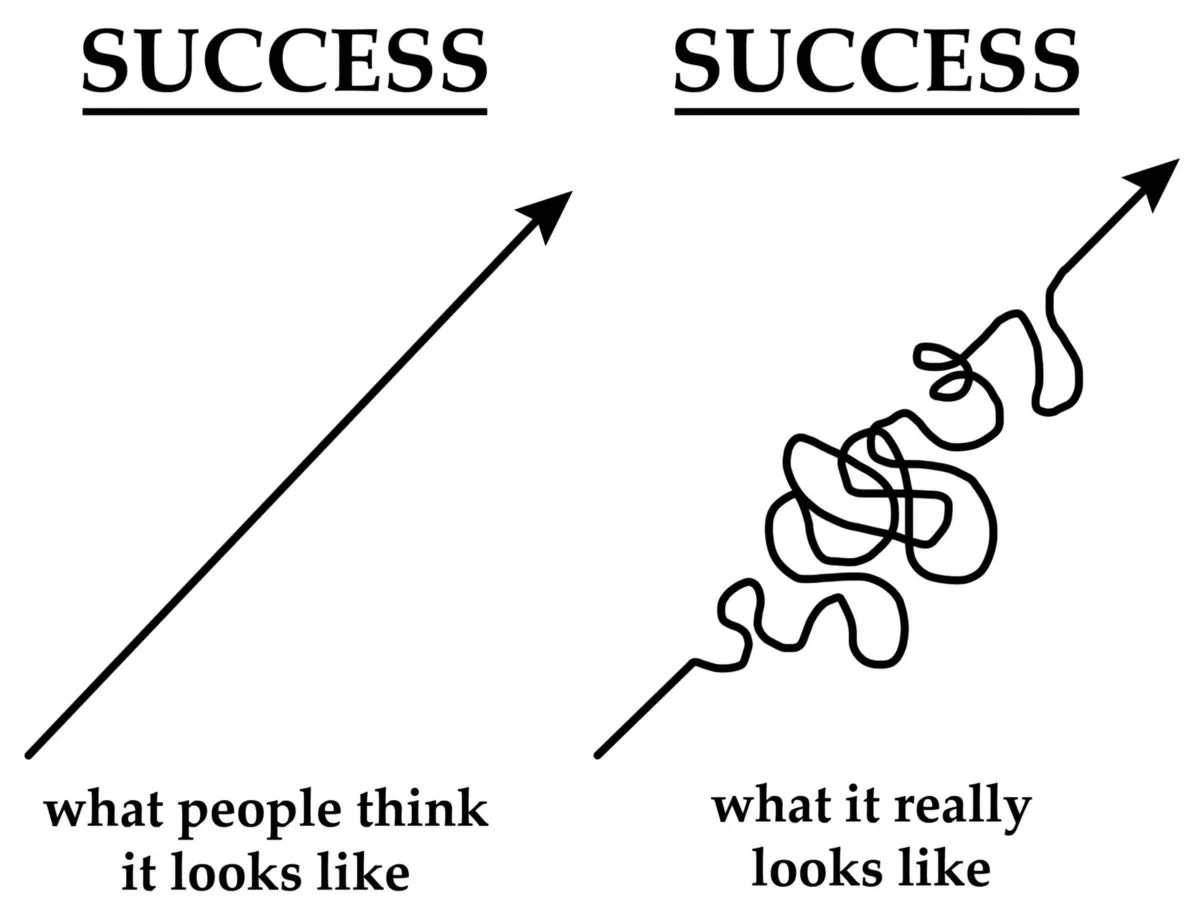
So, how can we best prepare for a journey of progress and success?
Set realistic and challenging-but-achievable goals. Within this, consider the time you have available, and the amount of progress you expect. Are the two compatible?
Don't expect that progress will be linear. You may experience peaks and troughs, and be prepared to have periods of maintenance (more on this from Ronny soon!).
What can I expect as a result?
Protecting self-esteem
Reducing risk of de-motivation if progress isn't linear or consistent
A healthier relationship with development.
Further learning and development during maintenance or ‘trough’ phases.
By managing expectations of the opportunities for progress and development, you can set yourself up well for the change or period of development you are about to embark on. Whether that starts on a Monday or not, hopefully the above tips provide food for thought when setting your own expectations!
See you in four weeks,
Nicole

Call for Comments
Based on this newsletter, here are a couple questions to think about:
Where in your training or mindset do small inputs lead to disproportionate effects?
What is sensitive in your system - and how can you strengthen it?
If you have been reading along consistently, thank you. In the meantime, if you’re keen for more performance insights from our previous editions - all here on Substack.
If you found this of value, then we value your support - Buy us a coffee: https://ko-fi.com/activeedge
Website, Videos and more: https://linktr.ee/theactiveedge
 | A guest post by
|