
Go Beyond The Physical
Simple actions for you to recover better


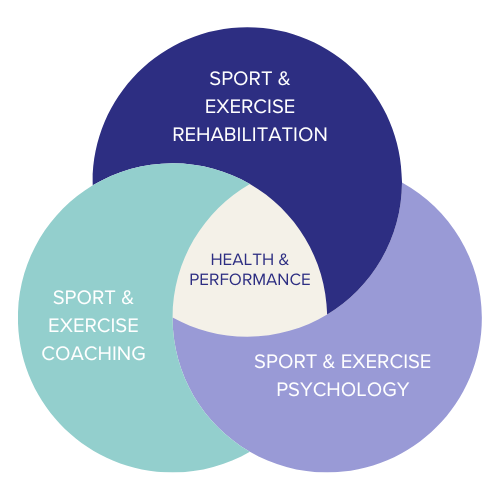
The purpose of The Active Edge is to help people through three pillars of health and performance (see below). We know that coaching, rehab, and psychology are so intimately intertwined when it comes to pain, injury, fitness and performance. In this email, I attempt to bring a new perspective to how psychology impacts us all.
If you’ve ever dealt with pain or recovering from an injury, you’ll know how frustrating and mentally exhausting it can be. Whether it’s fear of worsening the injury or the anxiety of not returning to the activities you love, the psychological burden of pain is real.
It’s easy to feel stuck, unsure of the next steps, and discouraged when recovery isn’t going as planned. But here’s the good news: sport and exercise psychology can help address these very challenges and offer practical solutions that speed up your recovery. Let’s set the scene…
The Problem
Despite the scientific research and subsequent training opportunities for therapists and clinicians, the holistic nature of pain and injury is still being branded around with reductionist explanations. Ironically, these lead us down complicated paths. For example, blaming deadlift technique that results in lower back pain, without addressing overall training and lifestyle components. In this example, it’s not that technique plays no role, it's just insignificant in comparison to all other factors. Yet this common reductionist answer can create a false belief that technique is EVERYTHING. Spoiler - it’s not. These types of paths shut off any other possibilities and often lead to a whole new can of worms if it doesn’t lead to a ‘fix’.
So why is it so bad to look for a fix? Because when it comes to pain, everything matters. Regular readers will know by now that this is one of The Active Edge’s key messages. Everything matters, because you matter. This puts you in control and able to focus on so many more components to recovery, that the reductionist paths don’t show you. We can head down multiple paths at the same time, and different ones at our own discretion. Paths that help us on our biopsychosocial journey.
And here’s where sport and exercise psychology comes in. And, it’s not as intense or taboo as you might think.
Pain and Injury Go Beyond the Physical
One of the key reasons why recovering from pain or injury feels so overwhelming is that it’s not just about the physical damage. Yes, there’s the tendon pain or the strained muscle, but the mental toll often goes unaddressed. Have you ever found yourself thinking, “What if this treatment doesn’t work?” or “Will I ever get back to the level I was at?” These thoughts are common, and they directly affect your recovery, especially on reductionist paths.
Our thoughts and emotions influence how our bodies heal, which is why it’s essential to approach pain from a biopsychosocial perspective—recognising that biological, psychological, and social factors all play a role. Research spanning over 30 years confirms that how we mentally handle injury directly impacts our physical healing. This is where sport and exercise psychology steps in to help reframe your mindset and accelerate recovery.
Addressing Emotional Roadblocks
After an injury, many people struggle with fear, frustration, or even grief over the temporary loss of physical ability. These emotions can create barriers to recovery, often leading to longer healing times or poor adherence to rehabilitation programs. You might be thinking, “If I push too hard, I’ll get hurt again,” or “I’m scared I’ll never get back to my previous performance.” These anxieties, while valid, can slow your recovery if left unchecked.
That’s where cognitive reframing comes into play. Cognitive reframing involves shifting your mindset away from these unhelpful thoughts and toward positive, constructive beliefs. For instance, instead of focusing on what you’ve lost or what could go wrong, reframing encourages you to think about what steps you can take to actively improve your situation. This could involve setting small, achievable goals for your rehabilitation or focusing on the progress you’ve already made.
Harnessing Imagery for Healing
Another powerful tool in sport and exercise psychology is imagery, a mental technique proven to enhance physical healing and pain management. There are several types of imagery that can directly aid your recovery:
1. Healing Imagery: This involves mentally visualising the injured area healing, such as imagining increased blood flow to the affected tissues. This simple visualisation can help reinforce the body's natural healing process and reduce pain.
2. Pain Management Imagery: Here, you focus on controlling your pain by setting manageable thresholds. Most research suggests that a pain level of 3 out of 10 is harmless and won’t worsen your injury. By having this control point, you reduce the anxiety around pushing yourself too hard and instead find a safe, empowering way to manage your discomfort.
3. Rehabilitation Process Imagery: This technique helps you mentally prepare for the challenges of rehab, such as staying motivated and overcoming any hurdles. Visualising yourself overcoming these obstacles can boost your confidence and adherence to your recovery plan.
4. Performance Imagery: For athletes, this type of imagery helps you mentally practise your sport or activity without the pain or injury, focusing on correct technique. This can be incredibly valuable in maintaining your performance skills while you’re still healing.
The Mind-Body Connection
As science continues to explore the mind-body connection, it’s clear that how we think about our injuries plays a critical role in how we recover from them. When you focus on maintaining a positive attitude, managing stress, and applying mental strategies like cognitive reframing and imagery, you’re actively working toward a quicker, more successful recovery.
By integrating these psychological interventions into your rehabilitation process, you’re not only addressing the physical aspects of pain and injury but also giving your mind the tools it needs to heal. In short, sport and exercise psychology offers you the solution you’ve been searching for: a comprehensive approach that acknowledges both the mental and physical hurdles of recovery and provides actionable strategies to overcome them.
When dealing with injury and pain rehabilitation, myself and Yasmin consider psychology into our approach. When our coached clients face setbacks through injury and pain, myself and Ronny build psychology into our approach.
And, if you’re struggling with pain or recovering from an injury, also consider reaching out to our Sport and Exercise Psychologist, Nicole. You don’t have to go through this journey alone, and with the right mental strategies, you’ll be back to doing the activities you love sooner than you think! You can book your free consultation with her by clicking this hyperlink.
Otherwise, I hope you’ve learnt a new perspective reading this.
Next week Nicole will write more on sport and exercise psychology, so stay tuned!
Much love,
Shane