
Unlocking Potential
Not Just Managing Pain


Hey everyone!
Today’s newsletter comes from a few chats I’ve had recently in the clinic about how our understanding of pain or an injury can shape the way we approach recovery and what we expect from it. I also want to share a few success stories I’ve been honoured to be part of, to show what’s really possible.
I hear a version of this sentence almost every week:
“I’ve been told I’ll just have to stop doing that now.”
Sometimes it’s running. Sometimes it’s lifting. Sometimes it’s their job, a hobby, or even something as simple as walking longer distances or playing with the kids.
I’ve heard this said about knees, hips, backs, shoulders, you name it. In some cases, I’ve worked with individuals who have even been medically discharged from their roles in the Army or RAF after being told they wouldn’t recover enough to meet the physical demands again. While I understand where these messages come from, often based on scan results or standard advice, it’s still hard to hear. Especially when I know that, in many cases, things may not be as final as they sound.
So, let’s talk about what’s actually possible.
Pain is complex. Scans can sound scary. The way injury is explained, especially in short appointments, can make things sound worse than they might actually be. You might hear terms like “degeneration”, “wear and tear”, “impingement”, “disc issues”, or “bone-on-bone”. These can sound permanent, even hopeless.
But a lot of this comes down to a lack of time to properly explain what’s really going on. The NHS is doing its best under huge strain, and with 10 to 15 minute appointments, there just isn’t always time to sit down and fully unpack what these diagnoses mean and, more importantly, what they don’t mean. So people leave appointments believing they’re stuck with something for life, when in many cases, they’re not.
I’ve had people say, “Oh, I can’t do that, I have sciatica.” But when we talk it through, they had an episode ten years ago. No current symptoms, no nerve irritation. But the fear is still there, because no one ever told them it didn’t have to be a lifelong sentence.
The same goes for disc bulges. It’s common to hear people say, “I’ve got a slipped disc” as if it’s something that will never change. But disc bulges don’t always stay bulged forever. With the right rehab and enough time, symptoms often settle. The body adapts, strength returns, and in many cases, people can get back to doing the things they were told to avoid, safely and confidently.
But unless someone takes the time to explain that, how would you know?
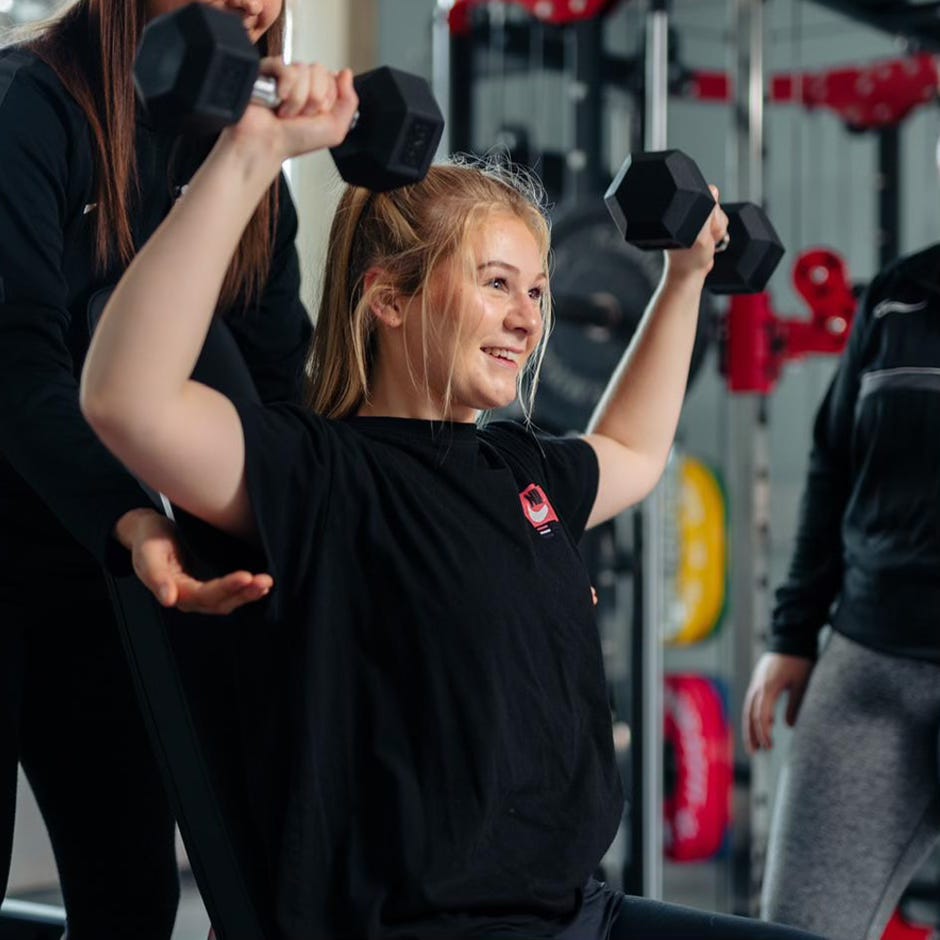
When people don’t get the chance to fully understand what their diagnosis really means or how recovery works, it’s easy to get stuck in a cycle of fear and avoidance. Moving can start to feel risky, so avoiding activity seems like the safer option. But over time, this often leads to weaker muscles, more stiffness, and sometimes even more pain, not less.
Unfortunately, this can also create a kind of “injury identity.” For example, someone who was told in their twenties they had a torn rotator cuff might carry that label with them for years, as if it defines who they are. I totally understand that, especially when you’ve believed that story for so long. It can feel almost impossible to accept that, with the right rehab, many of these injuries do heal or improve much more than you might expect.
Sometimes, it’s easier to stick with what feels familiar - even if it’s limiting- than to face the hard work and uncertainty that come with recovery. But that mindset can become just as much of a barrier as the injury itself.
So, don’t let an old diagnosis, or a rushed 10-minute appointment, define the rest of your life or what you think you’re capable of. There’s often more possibilities than you realize.
That’s why a proper rehab plan is so important, not just to get rid of symptoms but to rebuild strength, confidence, and trust in your body again. It’s not about fixing you. It’s about helping you adapt and build yourself back up, not just to survive but to move well, feel strong, and do the things that matter to you. Most importantly, it’s centred around what you want from your life, not just the absence of pain but the return of confidence, energy, and activity.
I’ve seen people surprise themselves more times than I can count.
One story that’s stuck with me is of a lady I've been working with who’d been told her knees were always going to be a problem. She was told to stop running altogether. But no one had taken the time to figure out why she was actually in pain. When we looked a little deeper, it turned out to be caused by a simple muscular imbalance causing her kneecap to sit slightly out of alignment and track inwards, which created irritation and pain, particularly when running or going downstairs.
We focused on targeted strengthening, and within weeks, the improvement was clear. Little by little, she started moving with more ease. Now, she’s ran an ultramarathon in the Peak District. She went from not being able to jog without pain to running up and down hills. From holding back on stairs to completing triathlons. The key to that transformation wasn’t just physical, it was about shifting the way she thought about her body and what it was capable of.
Stories like hers aren’t rare. Not everyone ends up running ultra marathons, of course, but many people go far beyond what they thought was possible. Sometimes all it takes is a clear plan, a bit of patience, and someone in your corner who’s not just focused on pain but on potential.
So if you’ve been told to give something up or to just live with it, maybe don’t accept that as the end of the road. There may still be options. Your body might have more to give than you’ve been led to believe. And with the right guidance, things can start to shift.
If you're unsure what’s next or just want to talk things through, feel free to reply. No pressure, just a conversation.
Speak soon and thank you again for reading,
Yasmin Spence
PERFORMANCE OF THE WEEK
On the theme of managing pain - I was pleased to see Australia’s RUOK day a couple weeks ago. A separate initiative to World Mental Health Day and Mental Health Awareness Week - a simple phrase posted about as a reminder to meaningfully connect and support others. I notice this weekend Brighton FC partnered with the charity Samaritans to also push this message in their latest advert. To perform well we must first be well.
– Ron
ACTIVE EDGE RECOMMENDATIONS/FURTHER READING
If you have any topics that you would like us to write about, please ping us a message!


 | A guest post by
|
Important read, Yasmin. Taking time to unpack what a diagnosis DOES NOT mean. So critical. So overlooked.