
Your Christmas Guide to Managing Flare Ups and Staying Active
Managing pain with autonomy


December has a funny way of throwing our routines into chaos. Training patterns shift, sleep is up and down, food choices become… festive, and stress climbs without us even noticing. For many active people, and especially for those of you I’ve treated before, this is often when old niggles begin whispering again… and sometimes shouting. And hopefully, this isn’t anything new to you guys, as I’m sure you will have seen mine or Shane’s previous Substacks on Load and Capacity!
That being said, I wanted to put together something supportive for the weeks between appointments, especially if you’re travelling, resting more than usual, or feeling the stress of the season. Think of this as a calm, practical check-in from me to you. A Christmas gift, if you will!
When a familiar pain returns…
Every so often, someone I haven’t seen in months, or even a year, comes back and says:
“That pain you helped me with… it’s come back.”
And so, my first question is always: “Are you still doing any of the exercises we used to support that area?”
And the answer, more often than not, is: “No… and I’ve lost them.”
Now obviously this is totally understandable; life moves on, the pain goes away, and keeping up with a small rehab routine feels less urgent. But here’s the key idea:
Your very first set of exercises was designed to settle YOUR symptoms.
If it’s been 2 weeks, 2 months, or 2 years since I last saw you, those exercises don’t expire. They were created to calm that initial aggravation, and they often still do exactly that. Of course, this is only relevant if it’s a very similar pain or issue!
So before you worry
If we have worked together before, you will probably remember that your early exercises were simple, specific and aimed at reducing irritation. They were chosen because, at the time, your body responded well to them.
Therefore, over Christmas, if you’re noticing:
an old knee pain resurfacing
your back is feeling stiff or sensitive
a shoulder is becoming grumpy
or anything that feels familiar rather than totally new…
…your first step can simply be revisiting those original movements. Usually, the body is reacting to the perfect storm of December:
long drives or train journeys
sleeping in unfamiliar beds
less consistent training
more alcohol or richer food
stress and late nights
lots of sitting or standing
or the opposite (suddenly doing more than usual)
So try not to jump to conclusions about something being significantly wrong, as these flare-ups of discomfort can often mean that your capacity has temporarily dipped or your load temporarily spiked.
A reminder: this is completely normal. Bodies are adaptable, but they’re not invincible.
My gift to you this Christmas: Autonomy
Autonomy (the ability to understand what’s happening in your body and confidently take the first few steps to manage it) is one of the most important things I want every client to walk away with. Strength matters. Injury reduction matters. But your ability to apply what you’ve learned when life gets chaotic? That’s the real long-term gift.
So, if you notice your knee flaring up and realise:
“I haven’t run much,”
“I’ve been travelling,”
“I slept terribly,”
“My diet’s been all over the place,”
…then you’re already halfway to solving the problem.
From there, revisiting your early rehab work is often enough to soothe things quickly. Building this kind of independence can make a real difference when life becomes busy or unpredictable.
So what should you actually do?
I have four key steps for you to do:
Go back to the exercises we started with (if you still have them, haha)! If not, please don’t be afraid to message me- I can happily resend them.
Try them for three to five days. If the movements start to feel easier and the irritation calms a little, that is usually a positive sign.
If things improve, you can progress! If you want updated exercises or guidance on the next step, just get in touch, and I can tailor things to where you are right now.
If the pain feels different, sharper or does not settle? That is often a good cue to book in. It is always easier to help sooner rather than letting things build up.
You do not have to choose between managing it yourself OR seeing me!
It is rarely an all-or-nothing situation. A helpful approach is often to try what you already know, observe how your body responds, and then reach out if you need extra support or fresh guidance. If your body is a bit grumpy this Christmas, don’t ignore it, but don’t fear it either! You have tools to help yourself, and if you need more direction, I am here.
Wishing you a healthy, active, and empowered festive season!
Yasmin,
Sports Rehabilitator
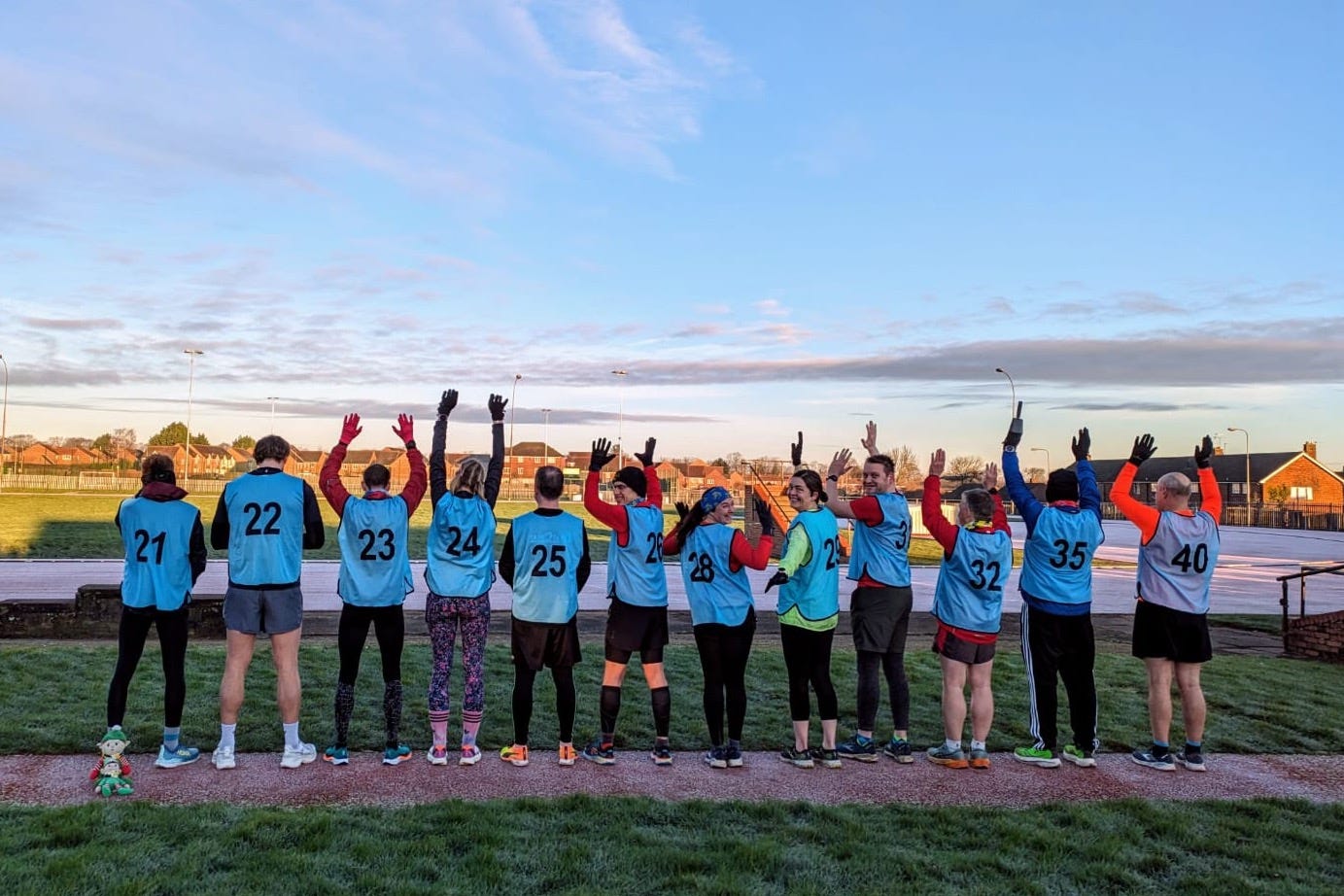
P.S. If you are a runner, we know it’s the calm before the storm. Many of you will be thinking of your events and goals for 2026. Myself and Shane Robinson help runners, coaching with a humanistic approach to help set and achieve goals. Please consider one of us, if you would like to work with a running coach.
Want more?
Here’s some more belters from The Active Edge


 | A guest post by
|